

Calibrating a dissolved oxygen (DO) meter is a critical step to ensure accurate and reliable measurement of oxygen levels in water and other liquid samples. Over time, sensor drift, temperature changes, and membrane wear can affect the accuracy of readings, making regular calibration essential for laboratories, water treatment plants, aquaculture, and environmental monitoring. In this complete step-by-step guide on how to calibrate a dissolved oxygen meter, we will explain the importance of calibration, the preparation required, and the correct procedures to achieve precise and consistent DO measurements every time.
Why Calibration of a Dissolved Oxygen Meter Is Important
A Dissolved Oxygen (DO) meter measures the amount of oxygen dissolved in water, usually expressed in mg/L or percentage saturation. Over time, sensor membranes age, electrolytes deteriorate, and environmental conditions change.
When I calibrate Dissolved Oxygen Meter properly, it helps ensure:
- Accurate and repeatable readings
- Compliance with testing standards
- Better process control
- Improved instrument reliability
Regular calibration is not optional—it’s essential.
What You Need Before You Calibrate Dissolved Oxygen Meter
You should have:
- A clean Dissolved Oxygen Meter
- Distilled or deionized water
- Calibration chamber or air calibration setup
- Fresh electrolyte solution (if applicable)
- Manufacturer’s user manual
Electrode Maintenance for Accurate Dissolved Oxygen Measurement
Electrode maintenance is a critical step that directly affects calibration accuracy.
A dissolved oxygen electrode is sensitive and must be handled with care to ensure stable readings.
Best Practices for DO Electrode Maintenance
- Rinse the electrode with distilled water after each use to remove contaminants
- Inspect the membrane for wrinkles, air bubbles, or damage
- Replace electrolyte solution regularly as per manufacturer guidelines
- Avoid touching the membrane with fingers to prevent oil contamination
Why Electrode Maintenance Matters
A clean electrode in good working condition allows the calibration process to settle quickly and ensures stable, reliable readings. Routine electrode maintenance increases the time between calibrations and improves the accuracy, reliability, and overall performance of the dissolved oxygen meter.
Types of Dissolved Oxygen Meter Calibration
Understanding calibration methods helps you select the correct procedure.
Air (100% Saturation) Calibration
This is the most commonly used method. The probe is exposed to water-saturated air to set the meter at 100% oxygen saturation.
Zero Oxygen Calibration
This method uses a zero-oxygen solution and is mainly required for high-precision laboratory or research applications.
Most routine users only need air calibration.
Step-by-Step Guide: How to Calibrate Dissolved Oxygen Meter
- Power on the meter and allow it to stabilize
- Rinse the probe gently with distilled water
- Set temperature and pressure (automatic or manual)
- Place probe in calibration chamber with water-saturated air
- Wait for stable readings
- Confirm and save calibration
- Verify readings using a known sample
Common Mistakes to Avoid During Calibration
- Calibrating in a dry or dusty environment
- Touching or wiping the membrane
- Skipping temperature equilibration
- Using old or contaminated electrolyte
- Ignoring regular maintenance
Consistency is the key to dependable measurements.
How Often Should You Calibrate a Dissolved Oxygen Meter?
Calibration frequency depends on usage:
- Daily for laboratory and regulatory work
- Weekly for routine field or industrial use
- Before critical measurements
Electrode Maintenance
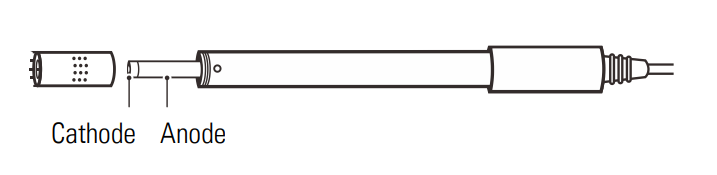
After use, thoroughly rinse the dissolved oxygen electrode with distilled water to remove any residues. Avoid touching the membrane; ensure it remains clean and properly moistened at all times. If the electrode will not be used for an extended period, remove the membrane cap, rinse the anode, cathode, and membrane cap with distilled water, gently blot them dry, reassemble the electrode, and store it in a dry place.
Conclusion
Knowing how to calibrate Dissolved Oxygen Meter correctly is essential for anyone involved in water quality testing. Calibration and maintenance together ensure long-term performance and trustworthy data.
Contact Us
Website: www.galaxylab.in
Phone No.: +91-9910667175
FAQs
Q2. How long does calibration take?
Ans. Usually 5–10 minutes depending on sensor stability.
Q3. Is zero calibration necessary every time?
Ans. No, it is required only for high-accuracy applications.
Q4. What happens if electrode maintenance is ignored?
Ans. Readings may drift and calibration will not hold properly.
Q5. Does temperature affect calibration?
Ans. Yes, always allow the probe to reach ambient temperature.